

Why MATRIA
MATRIA exists to support women through one of the most significant seasons of their lives.
Birth is an important part of that story, but it is only one part.
Much of what shapes a family happens in the daily decisions, the unseen work of caring for others, and the lifelong transformation that begins with motherhood.
Motherhood changes a woman over time. It asks for both strength and surrender, often at the same time.
Birth may be where our relationship begins, but my hope is that the care you receive here continues to shape your health, confidence, and experience of motherhood long after your baby is born.
Hi, I’m Rachel Fracassa, CPM
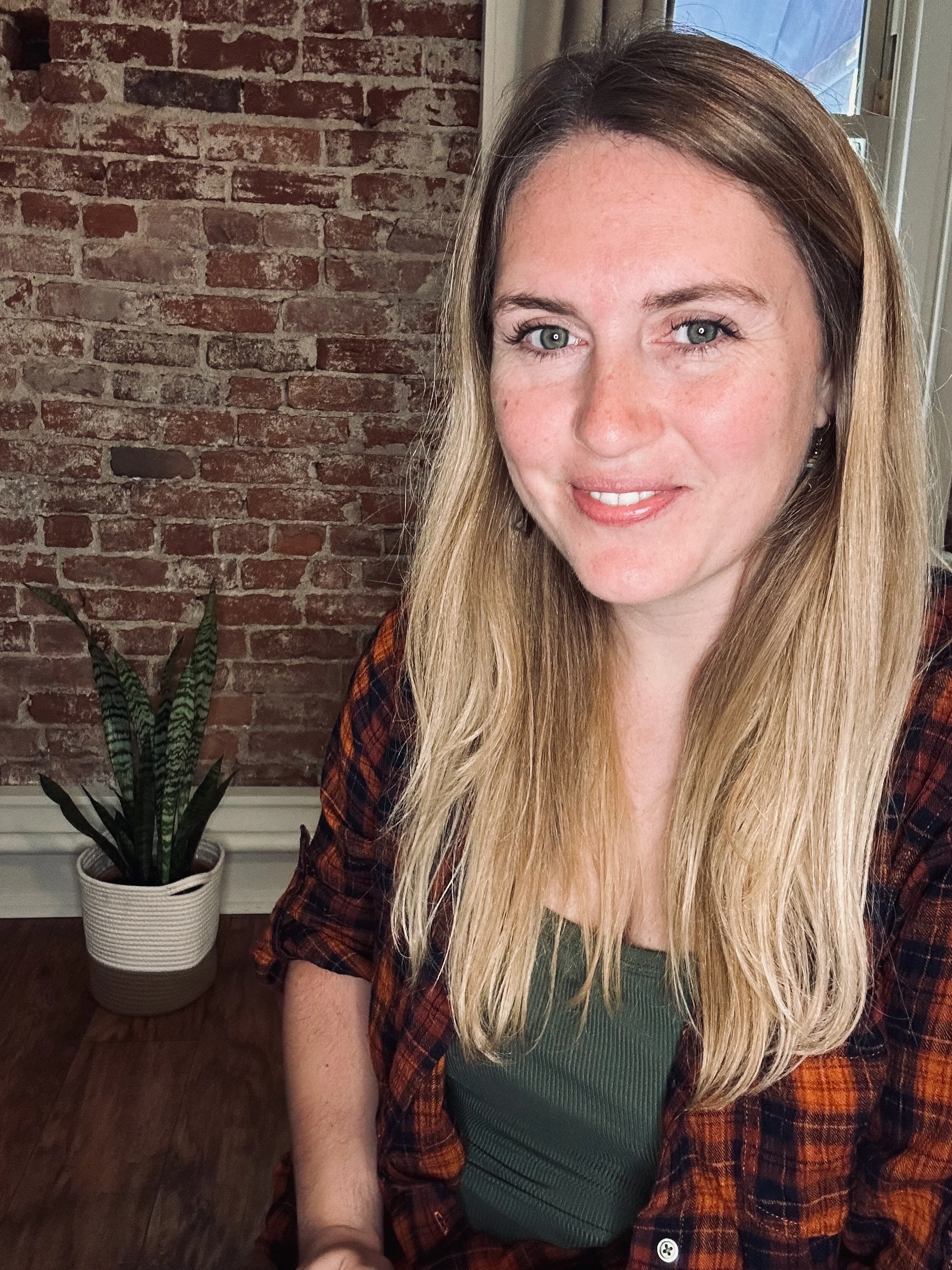
My path into midwifery wasn't linear.
It grew out of motherhood, years of curiosity, hands-on work with the body, and the privilege of learning alongside experienced midwives.
Pregnancy and birth have fascinated me for as long as I can remember, but what has kept me here is the women and families themselves.
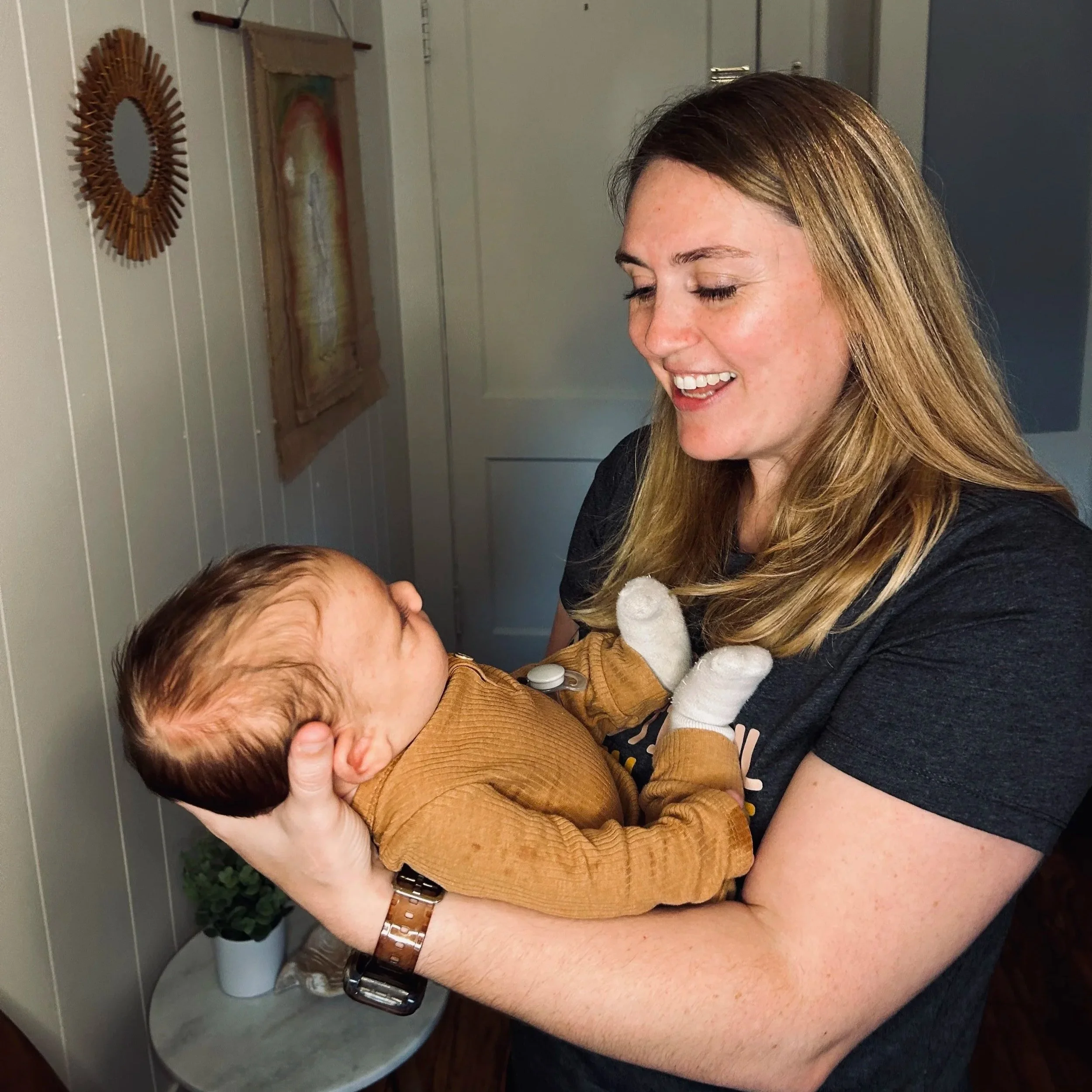
There is something extraordinary about being invited into this season of a family's life. I love witnessing a woman become a mother, watching families make room for someone new, and being present for those first quiet moments when a baby arrives and the world shifts a little around them.
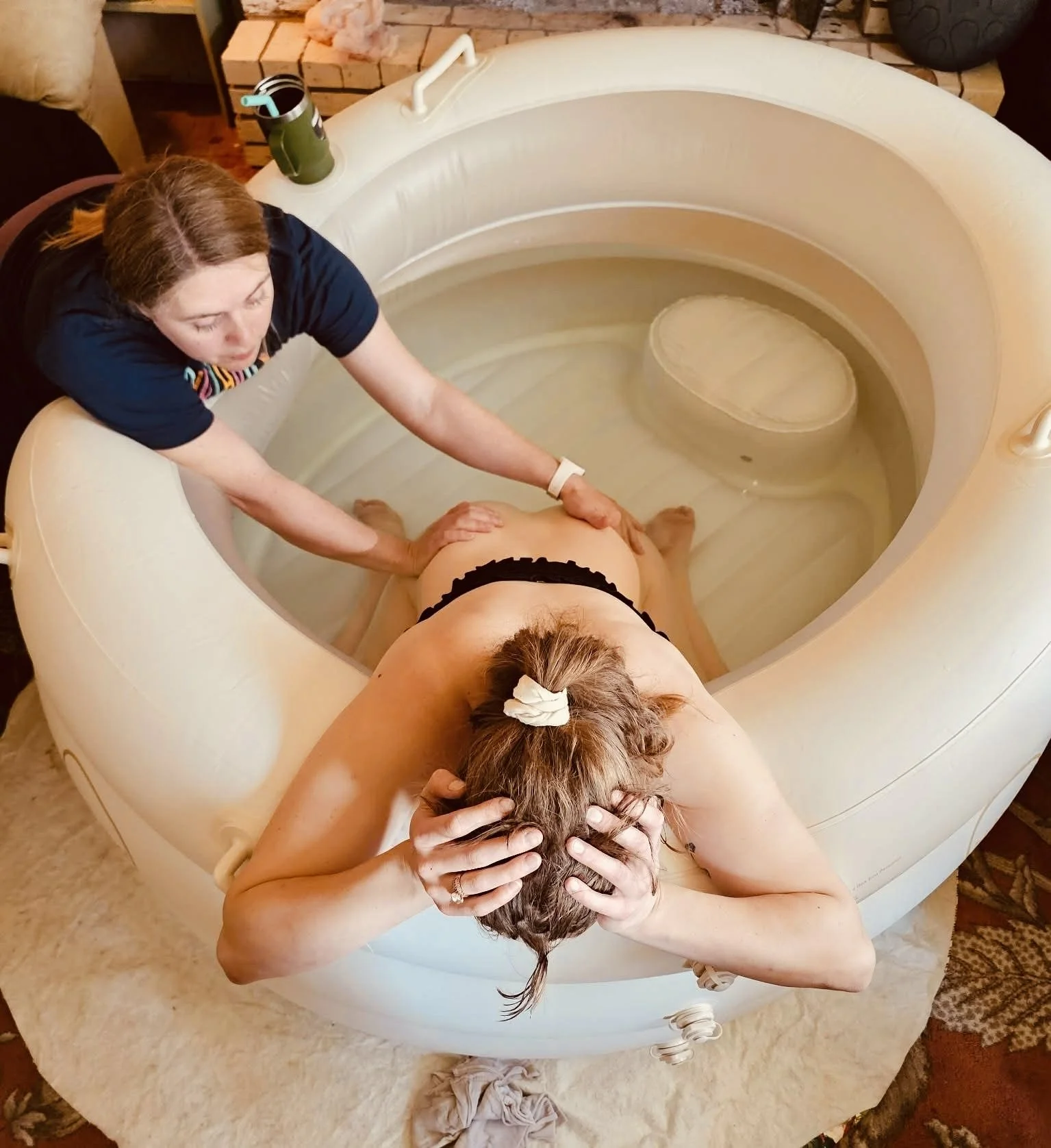
Birth is deeply physical work, but I also believe it is sacred work. Being welcomed into that space is something I don't take lightly. I want the care I bring there to feel gentle, respectful, and attentive to the woman and family whose moment it actually is.
Over the years, my work has expanded beyond birth alone. My background in bodywork, my own experiences as a mother, and the women who have trusted me with their pregnancies have all shaped the midwife I've become. I continue to learn because every woman, every body, and every pregnancy brings something a little different.
How I Practice
I want to know the women I care for.
Not just their blood pressure, lab results, or how their baby is growing, but who they are, what matters to them, what they're hoping for, and what life actually looks like for them. Prenatal care gives us months to build that relationship, so by the time birth comes, we're not strangers meeting each other in one of the most intimate moments of her life.
Pregnancy asks a lot of the body, and some women adapt to those changes with relatively little difficulty. When things are going well, prenatal care gives us time to follow that unfolding, answer questions, prepare for birth, and, just as importantly, get to know one another and build trust along the way.
For others, the body has a harder time compensating for the demands of pregnancy. Sometimes a little more support with nutrition, hydration, rest, movement, stress, or physical comfort can make a meaningful difference. The goal isn't to optimize every pregnancy or turn self-care into another list of things to get right. It's to understand the woman and the pregnancy in front of me and offer support where it's actually useful.
Birth is often the straightforward part.
I generally trust birth to work. I don't approach labor looking for reasons to manage it, and while birth may be familiar territory to me, it belongs to the woman and family experiencing it. My role is to stay close, protect what doesn't need interrupting, and bring my hands, knowledge, and skills when they're useful.
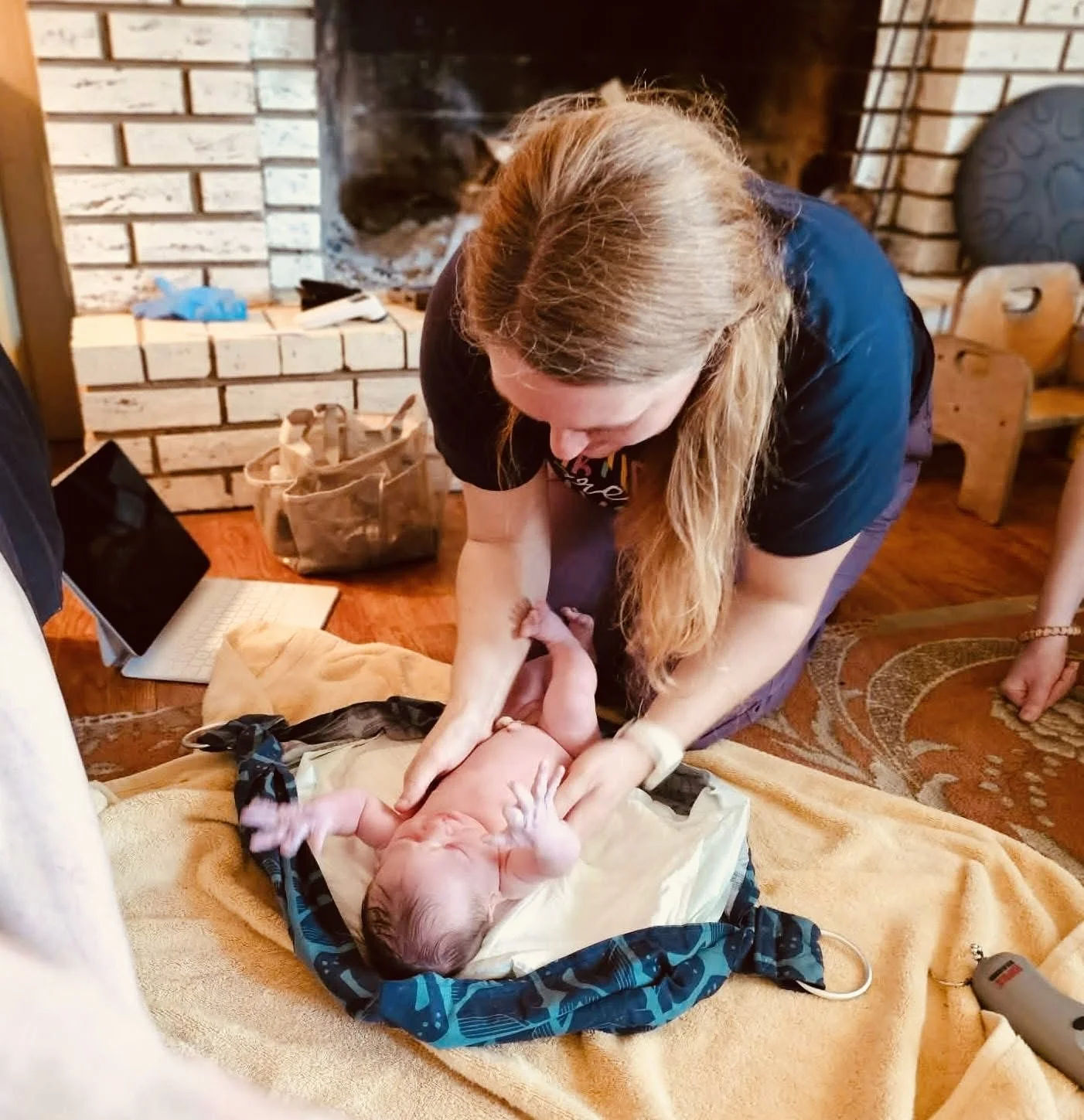
Some births need very little. Others ask for more. Good midwifery means knowing the difference, having the skills to respond when something changes, and recognizing when additional support or another birth setting would better serve mother or baby.
Guidance when it's helpful, intervention when it's needed, and space when it's not.
Foundations & Training
Before formal midwifery training, I lived many of the questions I now help other women navigate. My own births progressively changed my understanding of how actively a woman can participate in her own care, shaping how I think about responsibility, autonomy, and informed decision-making.
My path into this work unfolded while raising my children after being widowed. Apprenticeship, continuing education, and motherhood often happened side by side, each shaping the way I care for women today.
My education developed through apprenticeship with experienced midwives in Central Missouri and the Kansas City area, eventually leading to certification as a Certified Professional Midwife through NARM, along with additional training across the country. I remain deeply grateful to the women who welcomed me into this work, trusted me enough to teach me, and invested in my growth.
Continuing Education & Clinical Interests
I continue to pursue education in areas that deepen my understanding of physiologic birth, fetal positioning, bodywork, breech presentation, and community birth.
My practice includes experience supporting VBAC, twin, and breech births, and these variations have continued to deepen my understanding of physiology and the many ways pregnancy and birth can unfold.
Alongside that work, I maintain current certification in neonatal resuscitation and CPR, with additional training in birth emergencies and prior EMT training.
I approach birth with respect for physiology alongside readiness for complications.
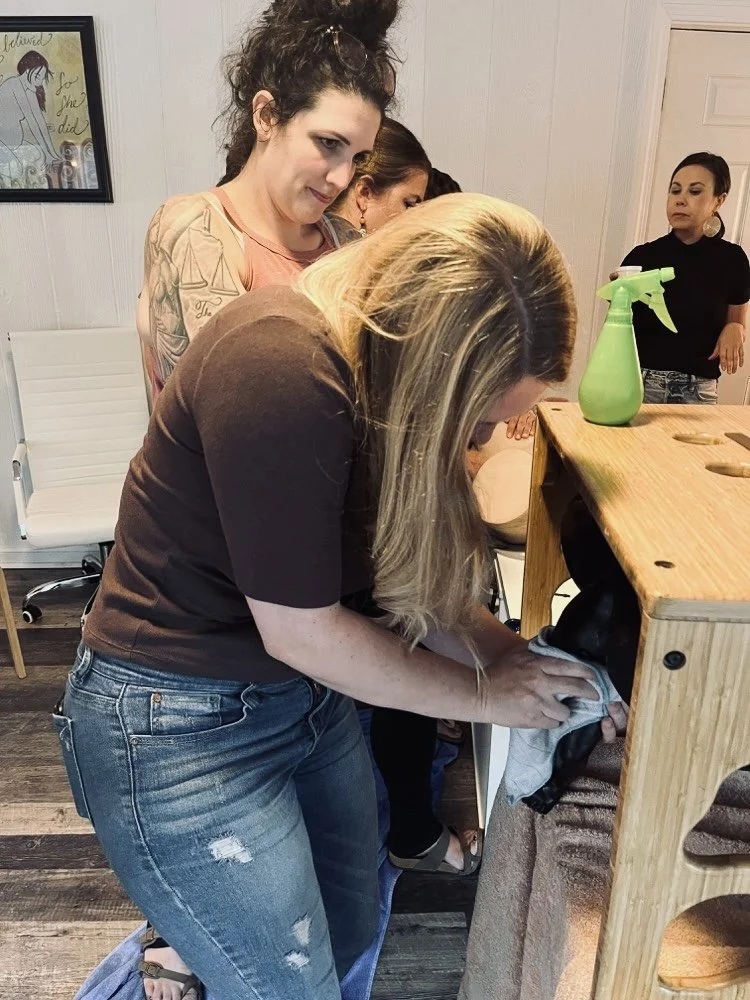
Training & Certifications
Certified Professional Midwife (CPM), North American Registry of Midwives (NARM)
Apprenticeship-trained with midwives in Central Missouri and the Kansas City area
Neonatal Resuscitation Program (NRP) and CPR
B.E.S.T. (Birth Emergency Skills Training)
EMT training
Spinning Babies® Aware Practitioner
Breech Without Borders
ReTeach Breech with Dr. Stu Fischbein
Breech Release training with Nicole Morales of ReStory Birthwork
Autonomy in Care
Care in this practice is collaborative and rooted in shared responsibility.
I believe women deserve honest information about risks, benefits, and alternatives, along with room to make decisions in the context of their own history, values, and circumstances.
Clinical knowledge matters, but it doesn't tell us everything. You know your body, your baby, your family, and your own experience in ways that I never can. Your instincts, observations, questions, and concerns are meaningful parts of the clinical picture, not something separate from it.
My role is to bring knowledge, experience, and clinical judgment to the table, and to take seriously what you bring to it too. From there, we make decisions with both in view.
I'd Love to Meet You.
Choosing a midwife is a meaningful decision, and I believe it's worth taking the time to get to know one another.
If this approach to care resonates with you, I'd be happy to meet over coffee, connect by Zoom, or welcome you to my kitchen table for a conversation.
I'd love to hear your story.